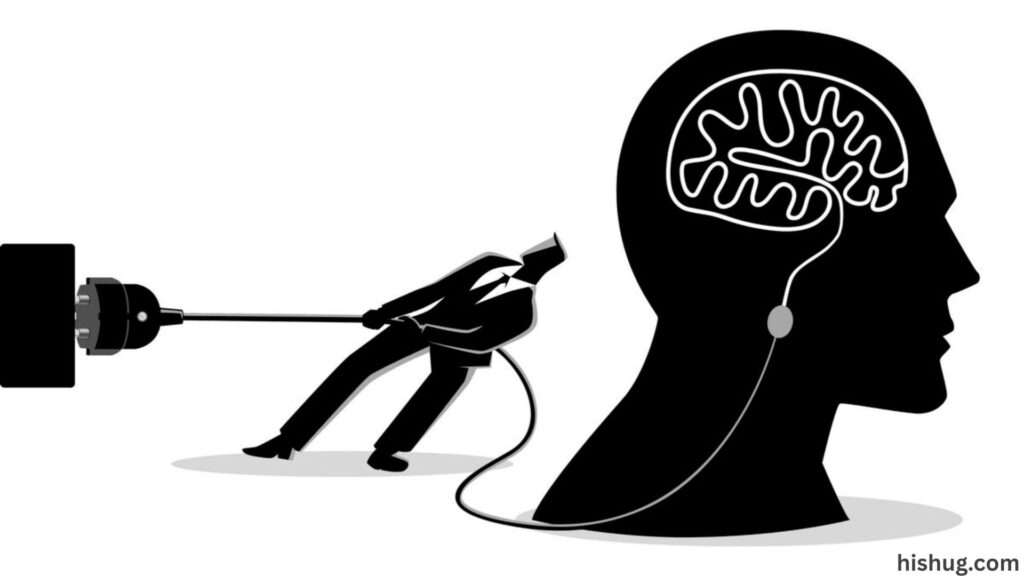
Constant notifications, screen time, and online pressures can take a serious toll on both mental and physical health. A digital detox taking a conscious break from devices like smartphones, laptops, and social media offers a powerful way to reset and recharge. By stepping away from the digital noise, individuals often experience reduced stress, improved sleep, better focus, and deeper personal connections.
Whether it’s for a few hours, a weekend, or longer, unplugging can restore balance and boost overall well-being. This article explores how a digital detox can positively impact your health and why it’s worth trying.
Benefits of a Digital Detox for Mental Health
Taking a break from digital devices can significantly improve your mental health. Constant exposure to social media, emails, and notifications often leads to stress, anxiety, and information overload. A digital detox gives your brain the rest it needs, helping to reduce mental fatigue and improve emotional clarity. With fewer distractions, your mind has more space to relax, reflect, and regain focus.
Additionally, unplugging allows for more meaningful offline experiences, such as face-to-face conversations, outdoor activities, or creative hobbies. These real-world interactions can boost your mood, increase feelings of connection, and reduce feelings of loneliness or isolation that often come with excessive screen time.
Removing Distractions
A key benefit of a digital detox is escaping constant attention-seeking distractions. Without nonstop notifications, you can fully engage in the present, allowing time to relax and recharge. This enhances mental clarity, provides brain rest, and fosters a deeper sense of calm.
Improving Focus
Fewer digital interruptions lead to sharper concentration and improved focus. Whether reading, meditating, or enjoying nature, a digital detox helps you fully engage without the constant pull of screens. It keeps you grounded in the moment, enhancing presence and mindfulness.
Eliminating Micro-Stressors
Digital devices often create micro stressors small, frequent pressures that quietly build up and impact mental health. Taking a break from screens helps ease these stressors, promoting a calmer, more balanced mindset.
Time to Reflect and Prioritise
A digital detox offers a valuable chance to reflect and refocus on your goals. Without digital distractions, you gain clarity on what truly matters and can make more mindful choices. Stepping back from your online world gives you the space to think without pressure.
Back to Basics Living
Living without digital devices for a while helps you reconnect with simple, meaningful activities like walking, journaling, or quality time with loved ones. This return to basics can be deeply grounding, reviving lost parts of yourself and highlighting what truly matters.
Reconnection Time with Loved Ones
A digital detox helps you reconnect with those around you. Without screen distractions, you can enjoy deeper conversations and build stronger, more meaningful relationships with friends and family.
Physical Health Benefits of a Digital Detox
Reduces Eye Strain
Staring at screens for extended periods leads to digital eye strain, causing dry eyes, headaches, and blurred vision. A detox allows your eyes to rest and recover. Consider following the 20-20-20 rule: every 20 minutes, look at something 20 feet away for 20 seconds. But better yet schedule full days without screens to give your eyes a complete break.
Alleviates Neck and Back Pain
Poor posture while using phones or laptops also called tech neck can result in chronic pain in the neck, shoulders, and back. During a digital detox, you naturally adopt healthier postures by engaging in non-screen activities like walking, stretching, or yoga.
Encourages Physical Activity
Screen time often means sedentary behavior. With fewer digital distractions, you’re more likely to go outside, take walks, exercise, or simply move more. Physical activity releases endorphins, improves cardiovascular health, and contributes to better overall physical fitness.
How to Start Your Digital Detox
Set Clear Goals
Begin by asking yourself what you want from the detox. Is it more relaxation? Better sleep? Quality time with loved ones? Defining your goals will keep you motivated.
Choose a Time Frame
Start small. Try a one-day detox or commit to unplugging for a few hours each evening. Gradually increase the duration as you get more comfortable.
Inform Others
Let friends, family, or coworkers know you’ll be offline. Set an auto-reply on email or update your status to avoid misunderstandings.
Remove Temptations
Turn off notifications, delete social media apps temporarily, or even put your devices in a drawer. Out of sight, out of mind.
Frequently Asked Questions
What is a digital detox and how does it work?
A digital detox is a voluntary break from digital devices such as smartphones, laptops, tablets, and social media. It works by reducing screen time, minimizing distractions, and allowing your mind and body to reset. This break helps improve focus, sleep quality, and emotional well-being by disconnecting from constant digital stimulation.
How does a digital detox benefit mental health?
A digital detox reduces stress, anxiety, and digital fatigue. It promotes mindfulness, improves concentration, and helps people become more present in daily life. Time away from screens allows your brain to rest, improves your mood, and can even reduce symptoms of depression caused by social media comparison.
Can unplugging from devices really improve physical health?
Yes, unplugging can lead to better posture, less eye strain, and more physical activity. Reducing screen time often encourages healthier habits such as walking, exercising, cooking, or spending time outdoors all of which contribute to better physical health and energy levels.
How long should a digital detox last to see benefits?
Even a short digital detox such as a few hours per day or one full day per week can provide noticeable mental and physical benefits. For deeper results, consider longer breaks (like a weekend or full week) a few times per year. The key is consistency and intentionality.
What are the signs that I need a digital detox?
You might need a digital detox if you feel overwhelmed by notifications, have trouble sleeping, feel anxious without your phone, or notice strained relationships. Other signs include decreased focus, frequent screen fatigue, and feeling addicted to scrolling social media.
What activities can replace screen time during a detox?
Great screen-free activities include reading, journaling, exercising, meditating, spending time in nature, cooking, drawing, or having in-person conversations. Planning engaging offline activities helps make the detox enjoyable and prevents boredom or relapse.
Is it possible to do a digital detox without completely giving up technology?
Yes, a digital detox doesn’t require cutting out all technology. You can customize it to your needs like avoiding social media while still using your phone for calls or music. The goal is to reduce mindless use and create healthy boundaries with your devices.
Conclusion
In a world dominated by constant connectivity, taking time to unplug can be one of the most powerful steps you take for your well-being. A digital detox helps you break free from the stress, distractions, and unhealthy habits that come with excessive screen time. Whether you’re aiming to sleep better, reduce anxiety, or simply be more present in your daily life, disconnecting from devices even briefly can lead to lasting improvements in both your mental and physical health.