
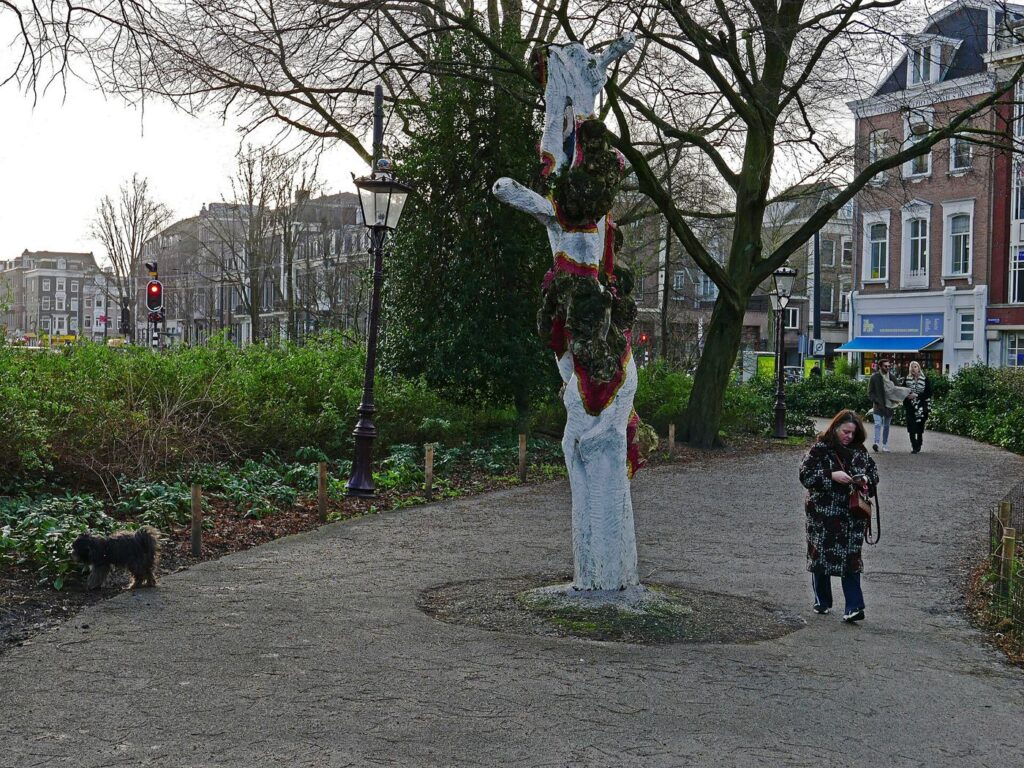
Cities are racing to add green space as evidence mounts that trees and parks cool streets, clean air and improve residents’ mental health. Plans range from planting corridors along main roads to converting derelict plots into pocket parks maintained with local community groups.
Why It Matters Now
Reaction to urban green spaces has split along familiar lines, but the practical consequences are shared. Businesses want certainty about rules and costs, community groups want support directed to those most affected, and policymakers want evidence that any response will work. The coming days will bring formal statements, detailed figures and, in many cases, a clearer timetable. Until then, the safest guide is what named officials, documents and direct witnesses actually say on the record.
The challenge is keeping new greenery alive and fairly distributed. Wealthier districts often start with more trees and win more funding, so several cities now target planting by heat and income data. Arborists also stress species choice, because trees must survive the hotter, drier summers they are planted to soften.
What Experts Are Watching
urban green spaces has developed quickly, and separating confirmed facts from early claims is essential. Officials have published the core details, while reporters on the ground are checking how the story affects the people directly involved. Timelines can shift as documents are released and witnesses are interviewed, so responsible coverage updates earlier reports rather than quietly replacing them. What is already clear is the scale of the response, from local services to national decision makers now under pressure to act.
In the longer term, the significance of this story may be less about one announcement than about the direction it confirms. Patterns that appear across research, markets and daily life tend to endure, and this one is appearing in all three. Communities that adapt early usually gain the most, whether that means learning new skills, planning budgets differently or simply paying attention sooner. The details will keep changing, but the underlying shift looks set to stay.
Context also matters historically. Similar shifts in earlier decades followed a recognisable pattern: early excitement, a period of disappointment as costs and limits became clear, then steady improvement as standards, training and infrastructure caught up. Remembering that pattern helps readers judge today’s claims proportionately. It neither guarantees success nor predicts failure, but it does suggest that patient, well funded work tends to outlast both hype and cynicism, and that the most durable benefits often appear in ordinary places rather than launch events.
There is also a human side that statistics can miss. Behind every figure are people adjusting routines, retraining, moving money or changing plans in response to new information. Their experience is a useful test of whether a trend is real: when change reaches kitchens, clinics, classrooms and workshops, it has usually passed beyond speculation. Listening to those voices, alongside official data, gives a fuller and fairer picture of what is actually happening and who is being helped or left behind.
Readers can follow our news coverage for further updates on this story, and compare the details with reporting from BBC News. As urban green spaces continues to develop, we will update this article with verified figures, named sources and reaction from the people most affected, so the record stays clear, accurate and useful for everyone following it closely.
